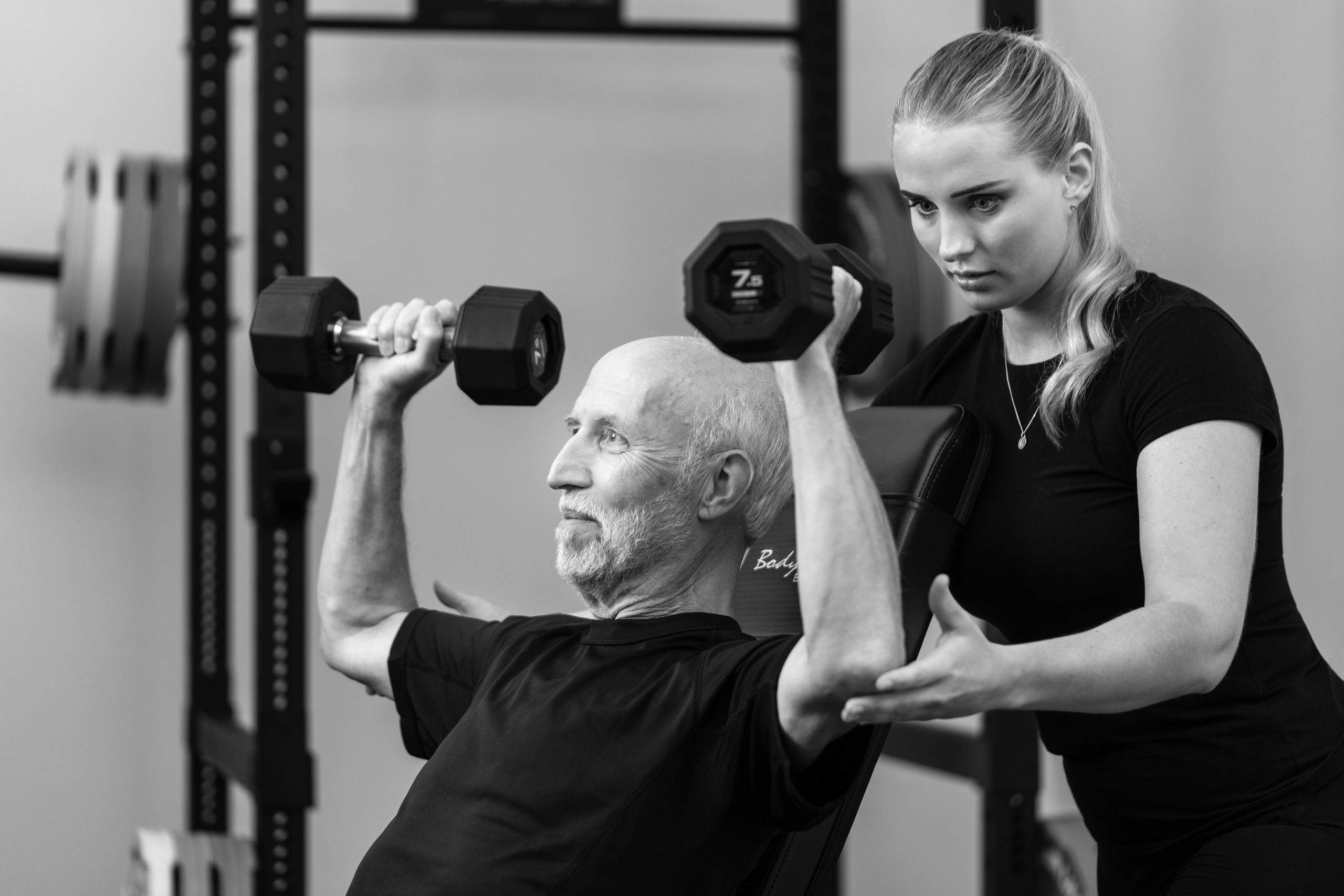
Is exercise your best non-invasive option to manage osteoarthritis?
What is Osteoarthritis?
Osteoarthritis (OA) is a common condition affecting millions of people worldwide that can cause joint pain and stiffness. It occurs when the protective cartilage that cushions the ends of your bones wears down over time, which is often referred to as “age-related changes”.
These changes can be very mild with very little or no discomfort. Unfortunately for others, it can cause severe pain and symptoms such as swelling and tenderness of the joint. OA can affect different joints in the body such as the hands, shoulders and knees.
What is the treatment for osteoarthritis?
There is no cure for OA, but there are various things you can do to relieve symptoms and slow its progress.
These include:
- Lifestyle changes include a healthy diet, exercise and weight management
- Medication: to relieve your pain. It’s best to discuss this with your GP
- Other pain relieving modalities: such as ice, heat, massage
- Surgery: as a last resort when your symptoms are affecting your quality of life
Why should I exercise with osteoarthritis?
While you may worry that exercising with OA could worsen your symptoms, research shows that exercise is the most effective, non-drug treatment for reducing pain and improving function in people with osteoarthritis.
Exercise can provide multiple benefits:
- Healthier cartilage: Exercise helps get blood and nutrients into the joints, helping them to feel better and keeping the remaining cartilage and bone healthier for longer
- Reduce stiffness: When you are moving, you are lubricating the joints which will help prevent the affected area from becoming increasingly stiff and losing more range of movement
- Reduce pain: Movement alone can ease your joint pain
- Reducing weight: Maintaining a healthy weight will decrease the pressure on joints, the less pressure on joints the healthier they will be
- Strengthens muscles: a regular and programmed weightlifting session strengthens the muscles around the joints so they are supported and protected better
- Improve bone health: Exercise, especially weight-bearing and resistance exercises, can slow the loss of bone density that naturally happens with age
- Improves overall health: The pain and stiffness from OA can keep you from being active, which not only aggravates your osteoarthritis but is also bad for your general health and a sedentary lifestyle can lead to other long-term health conditions
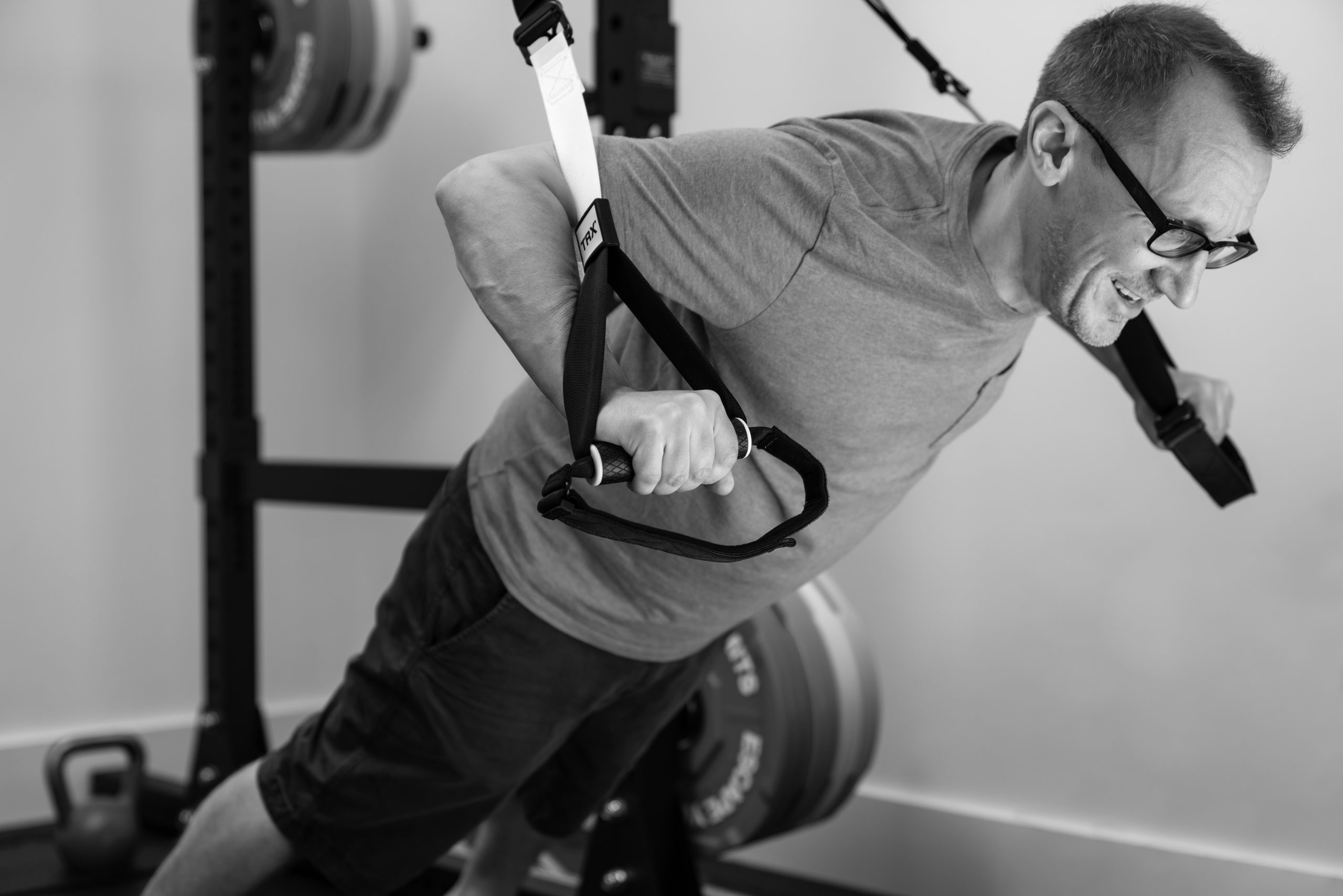
What is the best type of exercise for osteoarthritis?
There are no single best exercises when it comes to most conditions, and this is true with OA. Trying to find an activity that you enjoy and will perform regularly is very important as you want this to be something that you will continue long term.
Different activities will work you in different ways but can be equally helpful in managing your pain.
Strength training, pilates and aquatic exercises all work against some kind resistance to challenge your muscles but the style of exercise is very different. Consider strength training as body weight movements working towards using weights for resistance. Whereas, a low-impact pilates session incorporates strengthening and flexibility with particular focus on core muscles through slow and controlled actions. Aquatic exercises are performed while standing in water, the water’s buoyancy helps relieve the pressure on your joints while providing resistance for your muscles to get stronger. Aerobic exercise such as swimming, cycling or walking can reduce fatigue and will keep the joints moving.
What exercises should you avoid?
Everyone is different and there is no one exercise that we recommend everyone avoids. It will depend on your severity of OA, your pain levels, previous exercise ability and goals.
Some people with OA are advised to avoid impact exercises such as running however it may be perfectly suitable for others to continue running. There is no evidence that running increases your chances of getting OA or of its severity. Therefore, finding the types of exercises that best suits you is key.
Still not sure how to start exercising?
If you are still not sure what exercises are right for you or want any specific advice on your problem why not book a physiotherapy appointment with one of our specialised physiotherapists. They will be able to assess your joints, discuss your lifestyle and give you a structured exercise program specific to your needs and goals.
If you would like to discuss this further or book an appointment please do not hesitate to contact us on 01223 914140 or e-mail us at enquiries@vineryroadstudios.co.uk

I feel immediately better
I have tended to have back stiffness… I’ve been doing the online Friday Beginners class for a few months. The classes are always enjoyable and personally I find them very helpful. I feel immediately better after a class, I’ve learnt a few stretches which I do for myself for a few minutes each day and I find that keeps me well.
Gina is fantastic
She set a goal, assessed muscle strength in detail and got me doing specific exercises to strengthen. I have had pain and discomfort for a long while and thought it might take years for improvement but, in just about 5 sessions, I can feel a difference. She is friendly, develops a good rapport quickly and modifies exercises based on place ie gym or home. I would highly recommend her.
Knowledgeable and friendly instructors
Pilatesfit has been the mainstay for about the last eight years and I’ve benefited enormously from their knowledgeable and friendly instructors. I now mainly take classes for older people… we are given excellent guidance and encouraged to go at whatever level suits us best. It has enabled me to carry on with sports I love…

Get in touch.
Related Articles
May 12, 2020
How to run pain free – Couch to 5K
May 18, 2020
Coronavirus Protocol – Physiotherapy Cambridge
January 19, 2021
How to exercise safely and prevent injuries
March 12, 2021
How to start exercising after a long break
Share:
Book online or call us on 01223 914140
Strength Training with Blood Flow Restriction (BFR)
It might sound counterintuitive to restrict the blood supply in and out of your muscles when you exercise, but it’s an extremely effective way to alter the training effect and build strength and muscle size.
As the name suggests blood flow restriction (occlusion or Kaatsu) training involves wrapping a specially designed tourniquet cuff at the top of the arms or legs when training to safely restrict some of the blood flow in and out of your limbs. This alters the chemical balance in your muscles while you workout and triggers an increase in muscle size and strength.
As a Physiotherapist who specialises in post-operative orthopaedic rehab, I find BFR to be an invaluable tool in rehabilitation because gentler (lower intensity) exercises can be made to feel like heavier, more challenging exercises. Essentially, my patients can achieve the benefits of a more intense strength training session while still protecting the structures which are healing.
How does Blood Flow Restriction Training work?
Changing the blood blow in and out of muscles during a workout forces your muscles to work a bit harder and as a result they produce more lactate. This is a type of energy or fuel produced by your muscles when you exercise but there isn’t quite enough oxygen to meet the demand.
Increases lactate production creates a more demanding environment in your cells (metabolic stress) and stimulates a number of amazing changes which results in the changes you see in muscle size (hypertrophy) and strength including:
- Release of growth hormone
- Activation of more muscle fibres
- Growth of new blood vessels
- Adaptations in your cells (the mitochondria), so they produce energy more efficiently
- Widening of blood vessels (vasodilation) after exercising to improve recovery

Amazing...
“Just to let you know that you worked magic on my back and hip today. When I got home I went for a totally pain-free walk – AMAZING! It’s a first for as long as I can remember. So thank you so much.”
Caroline Revitt
Expertly helping me recover...
“Mateo has been expertly helping me recover from a knee injury and getting me back into competitive tennis. Knows what he is doing. Would highly recommend him and vinery road physiofit more generally.”
Highly recommended...
“Mateo helped me with a sprained ankle to quick recovery. Highly recommended.”
Extremely knowledgeable and professional...
“Rowan was extremely knowledgeable and professional in her approach. I highly recommend Physiofit for anyone seeking physiotherapy services.”
Lowen Warrington

Is blood flow restriction training safe?
BFR training is safe when it’s performed correctly and you follow the recommended guidelines. There are some conditions that mean blood flow restriction training would not be recommended, so I always recommend discussing this approach with a medical professional beforehand. They should screen to check if it’s an appropriate training technique for you and teach you how to do it safely.
Benefits of using BFR
To build muscle you normally have to lift about 70-80% of your maximum ability (1RM) but with a BFR workout, you only need to use 20-30% of your max to get the same results. So it really benefits people who are recovering from surgery (particularly in ACL rehab) or who might struggle to lift heavier weights due to injury or joint limitations. I also use it with patients who need a ‘joint friendly ‘approach to training like those with hypermobility or osteoarthritis.
So it’s perfect for rehabilitation. It’s also really time efficient since BFR training really maximises the activity in your muscles, so you get a more intense workout in a shorter amount of time. This makes it ideal for those with busy schedules or anyone looking for a more efficient way to train.
BFR mainly has an effect on the muscles of the limbs that the bands are placed on, but you will also get the benefits from the strength training in your torso as well as you lift.
Ready to get started with BFR training?
First of all you need to ask your physiotherapist or health care provider to complete a health screening questionnaire.
Once they are satisfied that it’s a safe training technique for you, the next step is choosing the right equipment. In my practice I use BFR bands which auto-calibrate so I know exactly how much pressure is being applied and can adjust them quickly and easily to the correct fit. Once applied BRF cuffs should be tight but not painful and you should be able to move in them easily. Your Physio should be able to teach you the correct placement.
When using BRF cuffs, you should train with lower weights than usual (20-30% of your max ability), complete high numbers of repetitions with a short break between sets. Start with simple compound exercises like squats, deadlifts, shoulder press or bench press. Make sure to remove the bands between sets and stop immediately if you experience any pain, dizziness or numbness.
Starting slowly and building things up carefully will give you safe, effective results … and don’t hesitate to get in touch if you have any questions or would like to learn how to do this with me!
Blog post written by Mateo Castaño Giraldo. A Chartered Physiotherapist specialising in post-operative rehab and Sports Injury Care. As an ex-pro footballer, Mateo enjoys helping his patients get back to their sports – particularly team running sports – safely and quickly.
Get in touch.
Related Articles
January 19, 2021
How to exercise safely and prevent injuries
March 12, 2021
How to start exercising after a long break
August 8, 2022
Physio tips to reduce stress and improve wellbeing
March 1, 2023
How to protect your core during pregnancy
March 23, 2023
What is Pelvic Girdle Pain?
March 23, 2023
Can I exercise during pregnancy?
Share:
Book online or call us on 01223 914140
5 exercises to help beginners to improve their squat.
What is a squat?
The squat involves moving from a standing upright position with feet shoulder-width apart and core engaged to slowly lower your hips until the thighs are parallel to the ground, almost mimicking a sitting position. From this position, you then stand to the original upright posture.
Why squats?
Squats are a brilliant exercise that can have a big impact on your health as they can help to improve your strength in many areas such as the legs, glutes, lower back and core.
One of the big positives about squats is that there are so many ways they can be performed such as body weight, barbell and goblet and they do not require much equipment.
So what exercises can a beginner do to improve their squat?
Box Squat
One of the first exercises that can be used to help improve your squat and to help learn the technique is to use a box squat.
The exercise is performed similarly to a squat however you lower your weight onto a box, a chair or a bed that is positioned behind you.
This is a great exercise to begin with as you can alter the height, initially starting higher if you need some assistance and then lowering as you improve.
Glute Bridge
The glute muscles are an important factor in squatting as they help to extend (straighten) the hips from the bottom of the squat. A great bodyweight exercise for this is the Glute Bridge, which helps to activate and strengthen the glute muscles to allow you to get from the bottom position of the squat more easily.
Action: Lie on your back with your knees bent, feet on the floor, hip-width apart.
Squeeze your buttocks together to lift your pelvis off the ground until your hips are in line with your thighs and torso with your spine neutral (do not arch your back).
Slowly lower your body and repeat.

My mobility and strength are greatly improved...
Hannah has been brilliant at helping me with my arthritis, diagnosing the difficulties and creating exercises that I can manage. My mobility and strength are greatly improved and I am very grateful for her sympathetic care, attention and encouragement.
I cannot thank Rowan enough...
I have been bothered with my knee for years when running/doing exercise. It got to the stage where I could no longer run on it for more than 1 minute. This was when I first came to Rowan. She was able to get to the bottom of what was wrong and gave me a rehab programme that worked for me. I am now well on my way to running again without any pain! I cannot thank Rowan enough!
I can definitely recommend...
The physio I worked with was very supportive and knowledgeable. She tailored exercises around my needs and adapted them as things improved. I can definitely recommend.

Dead Bug
it is important that you have good core stability to help keep the torso upright during a squat and stop too much arching of the lower back. the dead bug is great in helping creating core stability and strength needed for the squat.
Action: Lie on your back with knees and hips bent to 90° and both arms vertical overhead. Activate the abdominals lightly to prevent any spinal movement and maintain a steady abdominal breathing.
Lower one leg and the opposite arm toward the floor and return to the starting position under control. Repeat with the other leg and opposite arm.
Ankle Mobility
Some people have difficulty getting low enough into the squat position and this is often due to their ankle not having enough movement and will often cause them to lift their heels.
One way to help improve the range of movement is to pop your foot onto a step or box and then repeatedly push your knees over your toes trying to keep your heel one the ground. After repeating 10 times you hold the final rep for 15 seconds to really get a good stretch.
Hip mobility
Hip range of movement can also be an area that people have issues with during squats which will stop you from getting your big muscles in that area from working effectively.
A fantastic movement to help improve this is the kneeling lunge stretch. For this you want to be in a ½ kneeling position, keeping the hips level and staying nice and tall. You should feel a stretch in the front of the hip that has the knee on the floor.
A number of our physiotherapists are trained in strength and conditioning and will be able to give you individualised advice on improving your squat technique, therefore if you have any questions please do not hesitate to contact us on 01223 914140 or e-mail us on enquiries@vineryroadstudios.co.uk
Get in touch.
Related Articles
May 12, 2020
How to run pain free – Couch to 5K
May 18, 2020
Coronavirus Protocol – Physiotherapy Cambridge
January 19, 2021
How to exercise safely and prevent injuries
March 12, 2021
How to start exercising after a long break
Share:
Book online or call us on 01223 914140
Is being injured a bad thing?
We need to be honest here, being injured is horrible. It can be painful, limit your mobility and function, disrupt your sleep and slow the progress you are making either in the gym or on the sporting field. It can also have massive effects on your mental health.
Can being injured be a positive thing?
Well, actually there can be a positive in being injured. Reframing an injury in your mind from a completely negative thing into an opportunity can be a great way to positively impact your rehabilitation. You can use the time you are recovering from your injury to also work on the aspects of your training or body imbalances that you often ignore. We all have skills we should practice but don’t or weaknesses that we should address but don’t due to time constraints or that we are focusing on a different goal. In addressing these issues, alongside your injury rehabilitation you can come back a stronger and better athlete than you were before your injury. Even more beneficial, you will be less likely to re-injured yourself in the future.
How do I set this mindset?
Being injured and away from your activity or sport was not intentional, so when it happens it can be very upsetting and almost make you angry. This is normal but firstly you need to accept that you are injured and that you will have to take a temporary break from your normal exercise. This can be hard to do but without acceptance you will remain in a negative state which will affect your recovery, mood and your life outside your sport.
Once you have accepted this, it’s good to reflect on your injury and why it happened. If it was an acute injury from a fall or accident there may have been nothing you could have done to change it. However, if it was an overuse or over strain injury, think of the aspect of your training that led up to this. Make note of these and start a plan to address these issues.
This can be difficult to do by yourself therefore you may need to get guidance from your coach or a physiotherapist to help you identify the factors that lead to the injury and create a progressive loading exercise program to work on these areas.
It’s also a good opportunity to have an overview of your training schedule and content as we can often get stuck doing the same thing or overtraining and forget to take a step back and actually analyse what we are doing.

Amazing results and amazing physio...
“Amazing results and amazing physio. I was suffering with pain in my wrist and elbow that didn’t let me grab heavy objects, lift anything with my right hand and made work very painful. After 6 sessions with Rowan I do not suffer any more with pain. Highly recommended!”
Soraya Barrera
I would recommend these folks to anyone...
“The treatment is professional and evidence-based – what’s more I also always feel listened to and genuinely cared for. I was very nervous about the long term effects of my injury but don’t think I could have been in better hands. After initial treatment with Rowan for a lower back soft-tissue injury and now rehab/strengthening programme with Henri, I am back running/circuit training faster than before, what more can I say?”
Within weeks I was back to work pain free...
“Henri was extremely knowledgeable, professional, friendly and a pleasure to be around. Within weeks I was back to work pain free and back in the gym with a new training routine, new form and a new lease of life!!”
Adam Bell
Extremely knowledgeable and professional...
“Rowan was extremely knowledgeable and professional in her approach. I highly recommend Physiofit for anyone seeking physiotherapy services.”
Lowen Warrington

What about the injury?
Remember not to forget about the injury. The healing process is challenging, but also incredibly important. The majority of the time an injury is only temporary so give yourself the time to heal and reset. You will need a thoughtful plan for recovery which a physiotherapist can guide you through and gradually step you back into your exercise or sport to ensure you are ready.
So, being injured isn’t a completely bad thing. It is an opportunity. If you are not sure in how to address these imbalances or integrate a progressive program to work on your weakness, seek help from a physiotherapist. If you would like to book an appointment with one of our specialised physiotherapists, please do not hesitate to contact us.
Get in touch.
Related Articles
January 19, 2021
How to exercise safely and prevent injuries
March 12, 2021
How to start exercising after a long break
August 8, 2022
Physio tips to reduce stress and improve wellbeing
March 1, 2023
How to protect your core during pregnancy
March 23, 2023
What is Pelvic Girdle Pain?
March 23, 2023
Can I exercise during pregnancy?
Share:
Book online or call us on 01223 914140
Menopause & exercise – top tips from a Women’s Health Physio
During midlife, exercise becomes especially important for everyone. Not only does it help combat the natural decline in bone strength and muscle mass that comes with age but it’s also vital to maintain great heart health and mental well-being.
For women, the months or years which lead up to menopause (perimenopause) and those beyond (post- menopause) are critical phases for long-term health. Hormonal fluctuations may affect your whole body in unexpected ways – such as low mood, anxiety, weight gain, joint pain or pelvic floor issues – and you might not even realise that these are symptoms of menopause.
Exercise really helps to combat many of these mental and physical challenges, making it an essential part of your overall health strategy. As a Women’s Health Physiotherapist I can’t stress how important it is to exercise consistently through menopause and beyond.
How much exercise is best during menopause?
We should all be aiming to exceed two and a half hours (150 mins) of exercise per week. This helps trigger the positive hormonal changes that lower the risk of many chronic diseases associated with ageing and a sedentary lifestyle, such as high blood pressure, diabetes, osteoporosis, depression and even dementia.
However, most of us aren’t doing nearly as much exercise as we should be and women over 40 are the least likely to work out regularly, with many not exercising at all.
Based on my experiences working with women just before and after menopause, there are lots of reasons why some struggle to exercise consistently, even knowing it would help them. Some common themes include:
- Dealing with an injury.
- Putting on weight and losing body confidence.
- Poor sleep.
- Leaking urine or pelvic organ prolapse.
- Experiencing generalised joint pain.
Some women have bad memories of PE classes at school and don’t feel great about squeezing back into Lycra after having children. Some don’t enjoy going to the gym and haven’t found another way to exercise that they do enjoy. Some just feel like they have zero ‘get up and go’ anymore.
I can assure you that exercise comes in many forms and as a physiotherapist I really enjoy identifying and encouraging the right type of exercise for every individual. In fact, let’s not call it exercise at all but rather daily physical activity … such as briskly walking the dog, or taking the kids to school on foot or by bike, or climbing the stairs at work rather than calling the lift. Weaving bursts of physical activity into our everyday lives this way means we reap the benefits of exercise, even when we are super busy.

Kate is a magician...
“Kate is a magician, I absolutely love the way she laterally thinks and, although she absolutely does treat the symptoms, she also links the symptoms up to find and ultimately treat the underlying issue. I have had so many appointments with other therapists that have solely treated the symptoms on repeat and therefore I have never improved. I am so grateful to have found Kate and travel over an hour to see her and it is so worth it. I cannot recommend her highly enough.”
Kate has gone above and beyond...
“It is difficult to find the words to give justice to the help which Kate has given me since the birth of my daughter.
With great knowledge, understanding and empathy, Kate has gone above and beyond to help pick me up and put my body back together during a very vulnerable period. I’ll always be grateful for having had her in my corner through such a difficult time. Most sincerely, thank you.”
Kate made me feel confident and safe...
“Lovely clinic and staff. I attended for a postpartum MOT and Kate made me feel confident and safe during her assessment, her advice was very helpful as well. I would definitely recommend her services to any postpartum mother!!”

There’s also strength (and motivation) in numbers. Working out with a friend or in a group gives a sense of shared purpose and support. You’re far more likely to be consistent if you have made a commitment with a friend and you’ll have more fun in the process too!
And if you are experiencing an issue with your bladder, pelvic organ prolapse or pelvic floor weakness that’s holding you back, then an appointment with a Women’s Health Physiotherapist to help you improve or resolve these symptoms might be really lifechanging.
What is the best type of exercise for menopausal women?
Exercise is one of the most effective ways to manage the various changes during and after menopause, enhancing both your physical health and emotional well-being.
As a women’s health physiotherapist, I recommend a balanced and varied approach including the following elements:
1. Strength training
Declining oestrogen levels contributes to a loss of muscle mass (sarcopenia) and bone density, increasing the risk of fractures. Strength training using body weight, resistance bands or weights helps to maintain muscle mass, strengthen bones and boosts metabolism. Aim for 2-3 times per week focusing on the main muscle groups.
2. Weight bearing cardio
Heart health becomes a priority post-menopause, as cardiovascular risks rise. Weight bearing activities such as brisk walking, jogging, dancing or hiking not only keep the heart strong but also helps maintain bone density.
3. Pilates and Yoga
Both these forms of exercise are great for our restoration, mind-body connection and relaxation which can really help manage stress and improve general well-being.
Some Women’s Health physiotherapists are also specially trained to help women during this transition. At our Physiotherapy clinic in Cambridge, we offer an individualised menopause consultation and check-up to help women find the right type of exercise routine for their symptoms, goals and lifestyle.
We offer both mat and reformer pilates to help you improve core and general strength, balance, coordination, bone health, pelvic floor awareness and mobility. Or if you want to learn how to confidently lift weights with safe and precise form, we can help you there as well!
If you’d like to arrange a Menopause Check with me or one of our Women’s Health team, please don’t hesitate to call us on 01223 914140.
Blog written by Kate Cameron, our highly experienced Women’s Health Physiotherapist, Clinical Reformer Pilates Instructor and Menopause Movement Specialist.
Get in touch.
Related Articles
May 18, 2020
Coronavirus Protocol – Physiotherapy Cambridge
January 19, 2021
How to exercise safely and prevent injuries
March 12, 2021
How to start exercising after a long break
March 1, 2023
How to protect your core during pregnancy
March 23, 2023
What is Pelvic Girdle Pain?
Share:
Book online or call us on 01223 914140
What are the signs, stages and symptoms of menopause?
How do I know if I am perimenopausal?
If you have landed on this page and you are a biological woman over 40 you may well be experiencing menopause symptoms. Although this topic is often discussed, there are many symptoms of menopause that are not well known and as such, might be missed. As a Women’s Health Specialist Physiotherapist, I think it’s crucial to recognise the signs and symptoms of menopause and understand what they mean, so you can manage them thrive in this next chapter of your life.
What are the first signs of menopause?
Menopause actually marks just one day in your life – exactly 12 months after your last period. This is the most obvious sign that shows your ovaries have stopped producing oestrogen. Before this date, you might notice changes to your menstrual cycle … it may lengthen or shorten, or your periods could get lighter or heavier. If you have a Mirena coil and don’t have periods, your GP can determine if you are menopausal based on other signs and symptoms and a blood test to measure your hormone levels may be recommended if you are between 40-45 years old.
This hormone fluctuation starts around 8-10 years before menopause and signifies that you are in ‘perimenopause’. This stage can start in your 30’s, but most women enter this phase in their mid 40’s.
Although we generally talk about ‘the menopause’, it is the months and years leading up to this date known as ‘perimenopause’ and those that follow, called ‘post- menopause’, which are actually the critical phases for your long-term health.
What age does menopause start?
The average age of menopause in the UK is 51, however some women may enter this stage earlier. You have a higher change of starting early menopause if the other women in your mother’s family also had an early menopause so it’s a good idea to check this if you can. There are other causes for early menopause such as chemotherapy, pelvic radiation (medical menopause), or surgery to remove the ovaries or uterus (surgical menopause).

Kate is highly professional...
“Physiofit Cambridge is a brilliant clinic and I cannot recommend their services and staff more highly. I worked with Kate Cameron and if I or anyone in my family ever needed to see a physiotherapist in the future Kate would be the first person I would contact. Kate is highly professional, her skill, experience and knowledge makes her a very effective physiotherapist.”
Kate is amazing physiotherapist...
“Kate is amazing physiotherapist.
She does her best to alleviate discomfort and she is excellent in identifying the right approach to someone’s treatment. I leave always the physio feeling better with my movements and the effect is also sustained. I had done physio many years in my life but this practice and Kate is one of the best. She is always evidence based in her approach , and strives to provide a holistic treatment. She is also an excellent person and her interest to patients’ improvement of quality of.life is genuine . Would highly recommend the practice and herself”
Kate made me feel confident and safe...
“Lovely clinic and staff. I attended for a postpartum MOT and Kate made me feel confident and safe during her assessment, her advice was very helpful as well. I would definitely recommend her services to any postpartum mother!!”

What are the symptoms of menopause?
There are more than 30 clinically recognised symptoms of menopause. From joint pain to headaches and tinnitus…a wide range of symptoms can signal that you are menopausal and many of these might be overlooked, especially if they come on gradually over several years.
We have oestrogen receptors all over our body, so when levels drop, it affects multiple systems in your body. Symptoms can be grouped into the systems that are affected – psychological, physical, vasomotor or urogenital – which helps you make sense of how best to manage them.
- Psychological: Often the first symptoms you might notice are changes in your emotional wellbeing. Mood swings, depression, panic attacks, anxiety, anger and low confidence are all symptoms of how menopause affects your psychological system.
- Vasomotor: These are symptoms related to do with changes to your blood vessels. When your hormone levels change, your body can become more sensitive to changes in temperature and your internal thermostat can become much narrower, so you can’t regulate your temperature as effectively anymore.Hot flushes, night sweats, and heart palpitations are all vasomotor symptoms, caused by your blood vessels dilating and contracting. Vasomotor symptoms are the ones women are more familiar with when talking about menopause.
- Somatic (physical): These are symptoms that we feel in our whole body, including headaches, sleep issues, weight gain and joint pain, and more. These are common symptoms of menopause, but joint pain or weight gain might be mistakenly attributed to ageing or lifestyle issues.
- Urogenital (sex and pelvic floor): Your pelvic floor muscles weaken as you age. The are particularly affected in menopause due to the many oestrogen receptors found in the pelvic floor and genital tract. Symptoms include painful sex, low libido, urinary incontinence and vaginal discomfort. Women might not be as likely to discuss these symptoms until they become more severe or even realise that they could be related to menopause.
Identifying your symptoms and understanding their significance is the first step towards better management. A Menopause Symptom Questionnaire can be a helpful way of identifying which symptoms you are experiencing. It can also be used to assess the severity of your symptoms and to monitor them to see how they change with time or with a recommended treatment. I really recommend Dr Louise Newson’s Menopause questionnaire but if you prefer using an app, the balance app is based on the Greene Climacteric Scale (GCS) – a clinical measure used to measure where a patient is on their menopause journey – it’s a really useful way to track your symptoms.
Once you’ve recognised and understood your symptoms, the next step is to consult with a healthcare provider who specializes in menopause.
Some Women’s Health physiotherapists are also specially trained to help women during this transition. At our Physiotherapy clinic in Cambridge we offer an individualised menopause consultation and check-up to help women make sense of the changes they are experiencing, manage their symptoms better, learn to exercise safely and effectively and to help them make informed choices about their treatment options.
I can’t emphasise enough how important it is to exercise through menopause and beyond. A safe, effective specialised menopause exercise programme will help combat many of the mental, emotional and physical challenges of this stage in life, making it an essential part of your overall health strategy.
If you’d like to arrange a Menopause Check with one of our Women’s Health team, please don’t hesitate to give us a call.
Blog written by: Kate Cameron Physiotherapist specialising in Women’s Health.
Get in touch.
Related Articles
May 18, 2020
Coronavirus Protocol – Physiotherapy Cambridge
January 19, 2021
How to exercise safely and prevent injuries
March 12, 2021
How to start exercising after a long break
March 1, 2023
How to protect your core during pregnancy
March 23, 2023
What is Pelvic Girdle Pain?
Share:
Book online or call us on 01223 914140
When and how to get back into running after having a baby – 6 step guide from a Women’s Health Physio.
It’s not surprising that running is such a popular way to exercise among postnatal women … it’s free, you can throw on your trainers and get a great workout in a short period of time, and it’s easy to fit in when you have childcare.
In fact, one of the most frequent questions we are asked by new mums coming into our clinic for a postnatal check-up is: when is it safe to start running again?
As a Women’s Health Physiotherapist, I want to encourage as many postnatal women as possible to run because it offers such amazing physical and mental health benefits. However, adequate time for healing and the development of strength – in preparation for running – are important components of a ‘pelvic-health friendly’ running plan.
When is it safe to start running after you have had a baby?
There is no set protocol or timeline for this, as postnatal readiness for running varies widely between individuals, but you wouldn’t expect to start running within a few weeks of having hip surgery, and you’d probably think it was a good idea to do some exercises to rehabilitate your knee first. In the same way, your post-partum body also needs time to heal, strengthen and rehabilitate in preparation for running after pregnancy and birth.
This is why I recommend waiting a minimum of 12 weeks before doing any form of high-impact exercise, including running. This is based on nationally recognised and well-researched guidelines. It’s the same advice whether you have delivered vaginally or via Caesarean section because this is the minimum time required for tissue healing after surgery, and it ensures that your pelvic floor and the surrounding structures have adequate recovery time after pregnancy and birth before exposure to the impact forces of running. I always stress to my patients how important it is not to rush back into running too quickly and that there are plenty of low-impact exercises which can be started straight away to build a strong foundation for running.
How can you tell if you are ready to return to running post-partum?
If you have any of the following symptoms, then you are not ready to run yet, even if 12 weeks have passed:
- Leaking urine
- Bowel incontinence
- Urinary or faecal urgency
- Feeling heaviness in your vagina
- Pain in your lower back or pelvis
- Bulging or doming around the middle of your abdomen
Instead, I would recommend seeing your GP to discuss a referral to a pelvic health physiotherapist to address these issues before starting any high-impact activity.
If 12 weeks have passed and you are symptom-free and can walk outside on uneven ground for over 30 minutes without experiencing any symptoms, then you might be ready to start a walk-to-run programme like the Couch to 5K.
Here are a few simple tests that I use with my postnatal patients at our clinic in Cambridge to see if they are run ready … are you able to:
- Complete your pelvic floor exercises while standing (holding for 10 seconds, 10 times and 10 fast repetitions).
- Stand on one leg with good control and balance for 30 seconds on each side.
- Squat or sit to stand on one leg 20 times, with good control of your knee, pelvis and trunk position?
- Hop on one leg for 30 seconds without losing control or balance.
- Complete 20 single-leg calf raises on each side.
- Complete 20 single-leg bridges on each side, maintaining good control of your pelvis.

I left feeling really positive...
”Anna was friendly and knowledgeable and gave me some helpful advice and exercises. Would recommend for reassurance around postnatal recovery. I left feeling really positive and encouraged in how to build my strength back up. Many thanks!”
it is well under control now...
”Really great to have seen Anna for my pelvic girdle pain- she helped me with exercises and best practices so it is well under control now”
Anna provided excellent physio...
”Anna provided excellent physio. Very thorough assessment, excellent bedside manner, professional. Would happily return.”

Safe postpartum strength training for runners – 6 steps to guide your training
To avoid injury and keep it pelvic-health friendly, you need to build up to running gradually. Here is my six-step framework to guide your training:
- Initial rest period
During the first 2 weeks, rest really needs to be prioritised. Gentle walking is fine, but squeeze in some extra sleep whenever you can. - Breathing, reconnection & engaging core muscles
When you feel ready, start to practice diaphragmatic breathing. This might feel quite gentle initially, but it’s a great way to reconnect with your pelvic floor. - Core & Body weight exercises
Building up strength in your core muscles, as well as your hip and leg muscles is important preparation for running and body weight exercises are great. Start with mat-based core exercises after 2 weeks postpartum and move onto body weight lower body exercises by 4 weeks. Whole body circuit training is also a great way of doing this and also works on your cardiovascular fitness, which will make running easier when you start. - Gradually add weight to increase challenge
As you are able, gradually add some weights into your workouts. Your body will quickly adapt, so body weight exercises will become too easy. - Impact training (not advised before 12 weeks after having you baby)
Exercise involving jumping and hopping are really important to prepare our joints, muscles, tendons and pelvic floor for the deceleration and acceleration forces involved in running. This is commonly missed but is especially important. - Gradual build-up from walking to running
Introduce running and progress gradually. A program like couch to 5km, or a walk run program on the treadmill are ideal. Gradual progression is the best way to minimise the risk of injury. Running with a buggy is much harder work, so I wouldn’t recommend this until you have completed the Couch to 5km (around 6-9 months). This also fits in with guidance not to commence buggy running until your baby is 6-9 months old and can protect their neck and spine.
We offer specialist postnatal appointments with our Women’s Health team online and face-to-face at our clinic in Cambridge. If you have any questions at all or would like some more advice, please don’t hesitate to get in touch.
We are passionate about helping women navigate their journey back to running!
Blog written by: Anna Birch, Physiotherapist specialising in Women’s Health.
Get in touch.
Related Articles
May 18, 2020
Coronavirus Protocol – Physiotherapy Cambridge
January 19, 2021
How to exercise safely and prevent injuries
March 12, 2021
How to start exercising after a long break
March 1, 2023
How to protect your core during pregnancy
March 23, 2023
What is Pelvic Girdle Pain?
Share:
Book online or call us on 01223 914140
Are you experiencing increased urinary frequency or urge?
Feeling the need to go to the toilet frequently is much more common than most people realise. This can be accompanied with or without urinary leakage. This leakage can be only a few drops and others may experience larger amounts to almost complete emptying of the bladder.
What is increased urinary frequency?
As with many things in life, everyone is different. This also applies to normal urinary frequency (the amount of times you need to empty your bladder a day). For most people, the normal number of times is between 6-7 in a 24 hour period. However, between 4 – 10 times a day can also be normal if that person is healthy and happy with the number of times they visit the toilet. It can also depend on the amount of fluid you drink, what you drink or if you take certain types of medications.
What is increased urinary urge?
Urinary urgency occurs when the pressure in the bladder builds suddenly, and it becomes difficult to hold in the urine. This pressure can cause a strong and immediate sensation that you need to urinate. Urinary urgency can occur regardless of whether the bladder is full or not. It can also make a person want to urinate more frequently than usual.
What causes increased urinary frequency and urinary urge?
There can be several reasons why you may experience this and one should always seek advice from the appropriate health care provider. Your GP is a good start however, sometimes a pelvic health physiotherapist may be able to assist further.
Commonly urinary frequency and urinary urge are caused by a miscommunication between the brain and the bladder. When we don’t have any issues, the bladder will fill up to an appropriate amount before telling the brain that it’s time to go to the toilet. With increased frequency and urge this pathway is disrupted. This can be caused by several factors and a good place to start finding the route problem is by filling in a bladder diary.
How do I fill in a bladder diary?
A bladder diary is used to record how much liquid you drink, how often you need to urinate and how much urine you pass. It can be extremely helpful to understand your bladder habits. When writing a bladder diary you should include the exact time for intake of both fluids and solids, the amount voided (urinary output) and the sensation of urge at the time. Any leakage should be included, ideally in detail ( quantity/ did you have to change your underwear/sanitary towels?). Remember: the more detailed the better. It can be useful to complete the bladder diary over a minimum of 3 days, ideally both weekdays and weekends to get a good idea of what your “normal” is.

I understand my body better now...
”I have been seeing Kate Cameron for over 6 months now and her treatment has made my persistent shoulder pain to be gone. She has also taught me multiple exercises to stretch and correct my posture. She’s a very knowledgeable profesional and offers a holistic view of the body – so I also feel I understand my body better now!”
I'll always be grateful...
”It is difficult to find the words to give justice to the help which Kate has given me since the birth of my daughter.
With great knowledge, understanding and empathy, Kate has gone above and beyond to help pick me up and put my body back together during a very vulnerable period. I’ll always be grateful for having had her in my corner through such a difficult time. Most sincerely, thank you.”
I found it incredibly helpful...
”I had a Mummy MOT and a follow-up session with Henriette a few months after I gave birth, and I found it incredibly helpful. I would highly recommend it to all mums! Henriette was lovely, thorough, and really helped me to improve the areas that I wanted to.”

I’ve completed my bladder diary – what now?
Ideally you will now have seen a pelvic health physiotherapist to help guide you at this point. This is to see whether you are voiding appropriately or not and what the suggested plan of action may be to address the frequency issue, or if there are any other factors contributing to your symptoms.
Parts of the treatment can be bladder retraining. This is based on teaching the bladder to only tell the brain that it’s appropriate needing the toilet when there is an appropriate amount of fluid in the bladder. The treatment may also include pelvic floor muscles strengthening or relaxation.
How do I retrain the bladder for increased frequency?
You may get asked to try to delay going to the toilet when treating increased frequency and urge. This can feel extremely overwhelming and lead to increased anxious behaviour for many. Feeling anxious and stressed can often make the problem worse. Therefore, when starting to retrain the bladder you can do this when in the comfort of your own home at first.
When you know you have recently been to the toilet and it’s not appropriate to go again so soon, try to delay but only aim for 5 minutes. If you set the bar low at a manageable level, this will help reduce the risk of feeling stressed and increase your symptoms. Trying to divert your thoughts is helpful. Find a small and easy task, such as emptying the dishwasher or checking your email. Try to relax as much as possible and breathe calmly.
Now, if after 5 minutes you still feel the urge to go, allow yourself to go. You will gradually increase the time you are able to delay and you should focus on being as calm and collected as possible when you take yourself to the toilet.
Having good control of your pelvic floor is also extremely helpful when treating increased urinary frequency and urge. You can read more about the pelvic floor here.
We always advise seeking help when experiencing these symptoms, we know their common but also know that there’s much to be done about this. A specialist pelvic health physiotherapist is a good start. Don’t let your bladder dictate your day! Here at Physiofit we have some expertly trained pelvic health physiotherapists and if you would like to discuss any symptoms further please contact us on 01223 914140 or e-mail us on enquiries@vineryroadstudios.co.uk
Get in touch.
Related Articles
May 18, 2020
Coronavirus Protocol – Physiotherapy Cambridge
January 19, 2021
How to exercise safely and prevent injuries
March 12, 2021
How to start exercising after a long break
March 1, 2023
How to protect your core during pregnancy
March 23, 2023
What is Pelvic Girdle Pain?
Share:
Book online or call us on 01223 914140
How to maintain spinal flexibility without straining your joints in pregnancy
Pregnancy puts a lot of strain on the joints and soft tissues of the body. Your weight increases as the baby grows, your posture changes to allow for this to happen and prepare you for labour and there are major changes to your hormone levels. Exercise and stretching can have many benefits to overcome any aches that all these changes can bring about but there is also some danger of overstretching.
Am I more flexible during pregnancy?
In some ways yes. During pregnancy, the levels of a hormone called relaxin increase. The function of relaxin is to loosen or relax the ligament of the pelvis and soften and widen the cervix in preparation for birth. However it doesn’t just affect the ligaments of the pelvic but the ligaments in your entire body. Ligaments are tough fibrous structures that hold two bones together in our joints. When we have increased relaxin, the ligaments allow our joints to move slightly further than they would if we were not pregnant.
Isn’t increased flexibility a good thing?
Good flexibility is a great thing however, the increased ability of your joints to move in pregnancy can allow you to overstretch in activities like yoga or sustained stretching routines. For this reason, stretching too enthusiastically can be harmful, as it may cause injury.
How can I avoid overstretching?
To avoid any potential problems, have a look at the tips below:
- Warm up. A gentle warm up before you begin is essential as stretching cold muscles can cause injury. The warm up may consist of a few minutes of walking, squats or knee raises making sure you are moving all the parts of your body you are going to stretch.
- Pre-pregnancy level: During pregnancy you should not be aiming to improve your flexibility just maintaining it. Try not to go deeper into poses than you could before pregnancy and then you know you are working in a safe zone. If you are new to stretching then gentle and slow should be the aim.
- Don’t bounce. Bouncing while you’re stretching can result in a pulled muscle. Instead, focus on holding each stretch for 20 to 30 seconds, getting as far as feels comfortable and holding at that spot.
- Listen to your body. If it feels uncomfortable then ease off on the stretch and limit yourself to a range of motion that feels good, never painful. Don’t overdo it.
Strengthening exercises: Strengthening the abdominal and glute muscles can help manage the postural changes that occur, and when you are stronger you can hold your body back from moving into over stretched positions.

Angela is a wonderful physio...
”Angela is a wonderful physio! She’s been helping me during and after pregnancy and I wish I had found her before. Her face to face sessions are thorough, personalised and effective. Her exercise plan and pelvic floor training has really made a difference and I have gained a lot of strength post partum. I’d highly recommend her!”
Very professional clinic with talented staff....
”Very professional clinic with talented staff. My problem which two GPs couldn’t help with was diagnosed very quickly and I was given sensible advice and manageable exercises”
Really compassionate and helpful...
”Really compassionate and helpful, never had a bad experience. I saw Rowan today and she was knowledgable, to the point and practical. Clear and concise exercises given. I appreciate you!”

Are there any stretches I should avoid during pregnancy?
It’s safest to avoid stretches that involve deep backbends. In pregnancy our lower back and pelvic posture changes and moves more into an anterior tilt. This will naturally put more strain on your lower back. If you also stretch deeply into a back bent this can overload the joints and start to cause discomfort.
Also be sure to avoid lying flat on your back for extended periods of time after the first trimester.
Still not sure what movements are safe?
If you are still unsure what stretching exercises you should be doing why not book an appointment with one of our specialised physiotherapists who will be able to guide you through a safe exercises routine that aligns with your goals. We also offer on-line pre and post natal pilates classes which would be ideal for any pregnancy. If you would like to book an appointment or any further advice please do not hesitate to contact us on 01223914140 or email us on enquiries@vnineryroadstudios.co.uk
Get in touch.
Related Articles
May 12, 2020
How to run pain free – Couch to 5K
May 18, 2020
Coronavirus Protocol – Physiotherapy Cambridge
January 19, 2021
How to exercise safely and prevent injuries
March 12, 2021
How to start exercising after a long break
Share:
Book online or call us on 01223 914140
Shin splints, stress fractures and shin pain - exercises, treatment and advice
Shin pain is quite a common sports injury and is more likely to occur if you have just taken up running, started running again after a break or if your sport involves jumping and landing frequently, basketball for example.
There are two areas which are generally affected; the muscles at the front of your shin (anterior compartment) or the shin bone itself (tibia). Distinguishing between these two areas is vital because they are different issues and require different treatment.
Muscular shin pain (Chronic Exertional Compartment Syndrome)
Chronic Exertional Compartment Syndrome (CECS) is the medical term for muscular shin pain caused by an increase in pressure which comes on while running.
If your shins become tight and sore roughly at the same point into a run, gradually increase as you keep running and then ease off quickly at the end, then your shin pain is likely to be muscular.
An increase in pressure in the anterior compartment can actually cause nerve compression, so pins and needles, skin numbness or muscle weakness can also be signs of this condition.
Home treatment techniques for muscular shin pain include:
- Ice: make an ice massager and use this to massage in small circles along the muscle for 3 – 5 mins.
- Taping to support the muscles, provide gentle compression and relieve pain.
- Gentle foam rolling when this is comfortable.
- You don’t have to stop running entirely, just adjust the distance or pace to a comfortable level or try running on a treadmill until your symptoms settle.
- Compression socks help some people while running, so this is definitely worth a try.
Shin bone pain (shin splints and stress fractures)
Bone pain at the bottom on the inside of your shin is commonly called Medial Tibial Stress Syndrome (MTSS). Shin pain which is worse on impact and not only increases during your run but persists afterwards, means that you are more likely to be experiencing bone, rather than muscular pain. You may also notice tenderness on the bone when you press directly onto the painful area.

Rigorous, responsive and effective...
“Rigorous, responsive and effective. Treated for the immediate and for the long term. Highly recommended. Thank you, Rowan and all.”
Transformed my life...
“Angela has made such a huge difference to me. I have suffered from a hip and lower back problem for years, and her diagnosis and treatment has quite transformed my life! I cannot recommend Physiofit too highly.”
Tremendous knowledge and efficient service...
“Rowan treated a stubborn knee injury, transforming it back to full function in just under two months. At every stage (first healing, then restoring movement and providing strengthening exercises for each stage of recovery) she provided immediately useful strategies as well as accurate projections to guide expectations. Tremendous knowledge and efficient service. Highly recommended.”

If you suspect that your shin pain is coming from the bone, rather than muscle, then you must stop running. Continuing to push your shin bones can lead to a stress fracture, so it’s really important that you rest entirely for about 2 – 4 weeks to let the pain settle. If you actually have a stress fracture, this last for up to 6 weeks.
Ice packs and painkillers can help to relieve pain and you should not consider a ‘return to running programme’ until you can press on your shin bone without any pain at all and hop on the spot at least 20 times, without any pain.
Treatment and exercises for shin pain
I would strongly recommend a physical assessment to give you a proper diagnosis and also help you identify the underlying causes. Anything from weakness around your hips to training errors like sudden spikes in your distance or pace, inefficient running techniques, tight or weak calf muscles or always running on hard surfaces all have the potential to cause shin pain.
A physiotherapist might recommend a course of Shockwave Therapy to relieve pain and improve tissue healing in both muscular and bone pain and provide a programme of corrective exercises specific to your individual issues and movement patterns.
Our simple knee programme will help you start to build strength and control around your hips, knees and ankles in the early stages of rehab:
For more advice or information about shin pain, don’t hesitate to get in touch!
Get in touch.
Related Articles
May 18, 2020
Coronavirus Protocol – Physiotherapy Cambridge
January 19, 2021
How to exercise safely and prevent injuries
March 12, 2021
How to start exercising after a long break
July 6, 2023


