
What is Osteoarthritis?
Osteoarthritis (OA) is a common condition affecting millions of people worldwide that can cause joint pain and stiffness. It occurs when the protective cartilage that cushions the ends of your bones wears down over time, which is often referred to as “age-related changes”.
These changes can be very mild with very little or no discomfort. Unfortunately for others, it can cause severe pain and symptoms such as swelling and tenderness of the joint. OA can affect different joints in the body such as the hands, shoulders and knees.
What is the treatment for osteoarthritis?
There is no cure for OA, but there are various things you can do to relieve symptoms and slow its progress.
These include:
- Lifestyle changes include a healthy diet, exercise and weight management
- Medication: to relieve your pain. It’s best to discuss this with your GP
- Other pain relieving modalities: such as ice, heat, massage
- Surgery: as a last resort when your symptoms are affecting your quality of life
Why should I exercise with osteoarthritis?
While you may worry that exercising with OA could worsen your symptoms, research shows that exercise is the most effective, non-drug treatment for reducing pain and improving function in people with osteoarthritis.
Exercise can provide multiple benefits:
- Healthier cartilage: Exercise helps get blood and nutrients into the joints, helping them to feel better and keeping the remaining cartilage and bone healthier for longer
- Reduce stiffness: When you are moving, you are lubricating the joints which will help prevent the affected area from becoming increasingly stiff and losing more range of movement
- Reduce pain: Movement alone can ease your joint pain
- Reducing weight: Maintaining a healthy weight will decrease the pressure on joints, the less pressure on joints the healthier they will be
- Strengthens muscles: a regular and programmed weightlifting session strengthens the muscles around the joints so they are supported and protected better
- Improve bone health: Exercise, especially weight-bearing and resistance exercises, can slow the loss of bone density that naturally happens with age
- Improves overall health: The pain and stiffness from OA can keep you from being active, which not only aggravates your osteoarthritis but is also bad for your general health and a sedentary lifestyle can lead to other long-term health conditions
What is the best type of exercise for osteoarthritis?
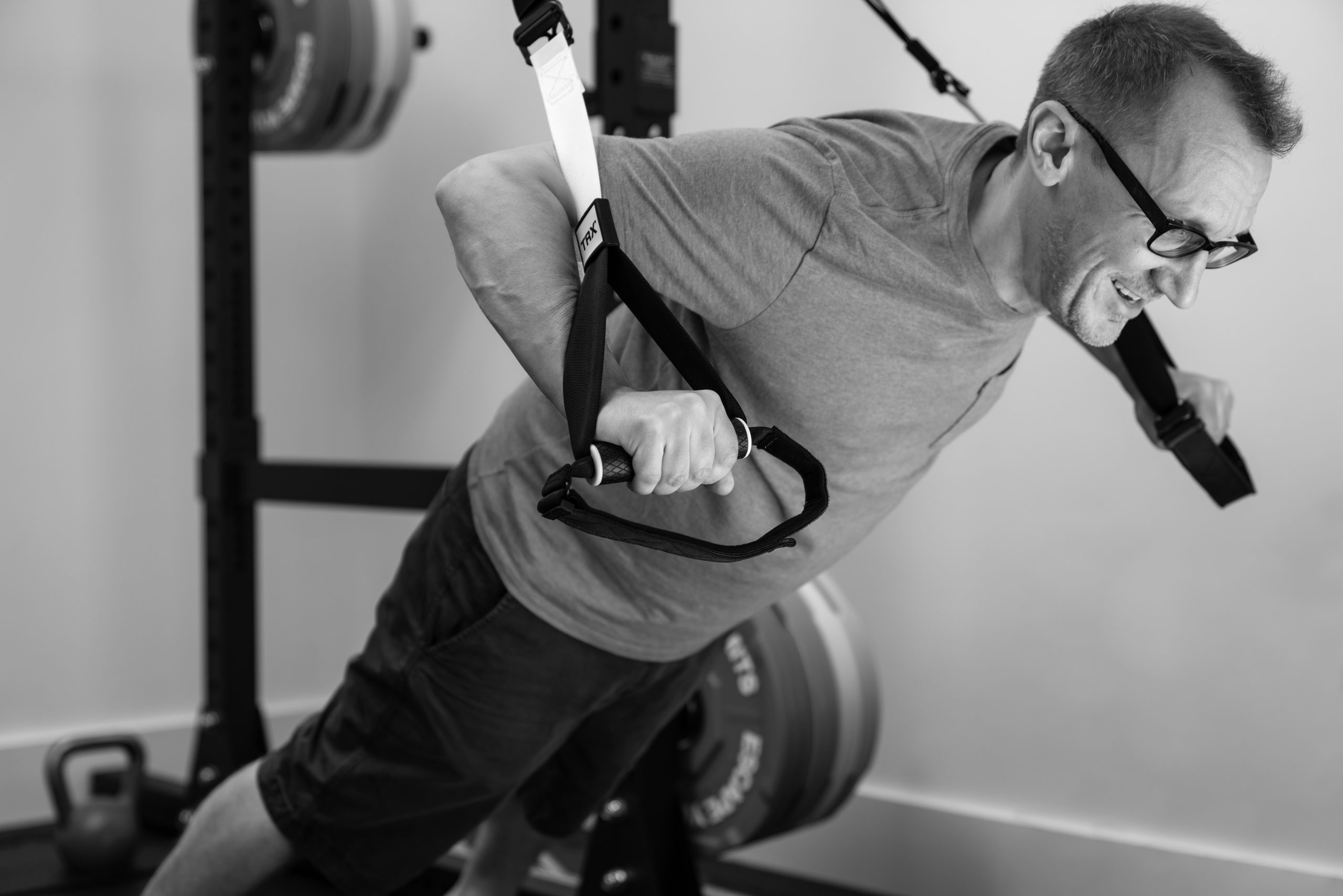
There are no single best exercises when it comes to most conditions, and this is true with OA. Trying to find an activity that you enjoy and will perform regularly is very important as you want this to be something that you will continue long term.
Different activities will work you in different ways but can be equally helpful in managing your pain.
Strength training, pilates and aquatic exercises all work against some kind resistance to challenge your muscles but the style of exercise is very different. Consider strength training as body weight movements working towards using weights for resistance. Whereas, a low-impact pilates session incorporates strengthening and flexibility with particular focus on core muscles through slow and controlled actions. Aquatic exercises are performed while standing in water, the water’s buoyancy helps relieve the pressure on your joints while providing resistance for your muscles to get stronger. Aerobic exercise such as swimming, cycling or walking can reduce fatigue and will keep the joints moving.
What exercises should you avoid?
Everyone is different and there is no one exercise that we recommend everyone avoids. It will depend on your severity of OA, your pain levels, previous exercise ability and goals.
Some people with OA are advised to avoid impact exercises such as running however it may be perfectly suitable for others to continue running. There is no evidence that running increases your chances of getting OA or of its severity. Therefore, finding the types of exercises that best suits you is key.
Still not sure how to start exercising?
If you are still not sure what exercises are right for you or want any specific advice on your problem why not book a physiotherapy appointment with one of our specialised physiotherapists. They will be able to assess your joints, discuss your lifestyle and give you a structured exercise program specific to your needs and goals.
If you would like to discuss this further or book an appointment please do not hesitate to contact us on 01223 914140 or e-mail us at enquiries@vineryroadstudios.co.uk


